


Today’s workplaces are fast paced and leaders face daily emotional triggers – stress, disagreement, or unexpected change. At Dattner Group, we believe that building a coaching culture helps leaders move from reactivity to intentional, constructive leadership. This article explores how coaching fosters awareness, accountability, and the courage to respond, not react.
How Coaching Builds a Constructive Leadership Culture
In leadership and life, it’s easy to be triggered. A sharp comment in a meeting, a perceived slight, or a sudden challenge to authority can activate an automatic, often defensive response.
Marshall Goldsmith, in his book Triggers, reminds us that while we can’t always control what happens to us, we can learn to control how we respond.
At Dattner Group, this idea sits at the heart of our coaching practice. We help leaders move from reacting unconsciously to responding constructively, choosing a trigger that aligns with their purpose, values, and desired impact. Rather than being triggered by others, we can learn to trigger the best in ourselves.
The Coaching Connection: Turning Awareness into Action
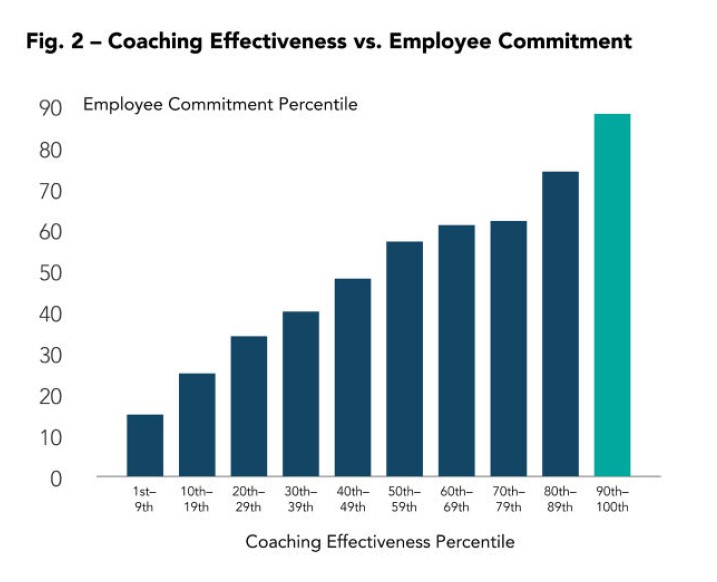
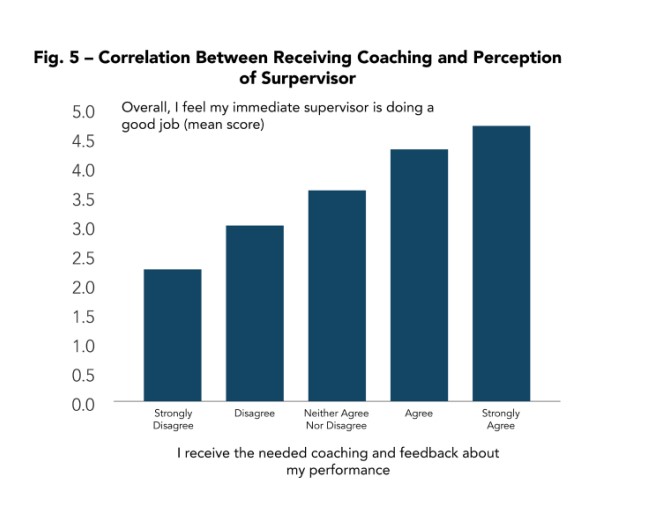
Zenger Folkman’s research shows that developing a coaching culture pays off in measurable ways -increasing engagement, retention, productivity, and leadership effectiveness.
But the deeper power of coaching lies in what it develops inside people: self-awareness, accountability, and emotional agility.
Good coaching helps leaders:
- Recognise their own patterns and “hot buttons.”
- Practice pausing before reacting.
- Choose language and behaviour that model respect, curiosity, and growth.
These micro-moments of awareness are where culture shifts. As Zenger Folkman notes,
“Nothing is more correlated with higher employee engagement than increasing levels of coaching by managers.“
Coaching builds capability and culture. It reinforces the very behaviours that enable trust, learning, and accountability to flourish.
Constructive Leadership: Responding, Not Reacting
When a leader feels provoked or undermined, the easy route is reaction — criticism, withdrawal, control. The constructive route is response — curiosity, boundary, empathy.
A useful mantra: “Curious, not furious.”
Through our Pragmatics of Building a Constructive Culture framework, we invite leaders to draw on four constructive styles:
- Humanistic-Encouraging: Pause, breathe, and see the human in front of you. “Thank you for bringing that up. Let’s explore it together.”
- Achievement: Keep focus on the shared goal. “What is the outcome we are aiming for?”
- Self-Actualising: Anchor back to values. “What would you do here if you were not afraid?”
- Affiliative: Strengthen connection. “We are in this together.”
In practice, this means responding with empathy and accountability – not collapsing into niceness or defensiveness. It’s about holding both truth and relationship.
Why Coaching Cultures Transform Organisations
When leaders model constructive triggers, coaching becomes not just a development tool but a cultural catalyst. It transforms interactions across teams. People feel seen, respected, and supported. Teams pursue meaningful results together.
Values become lived, not laminated. And belonging grows.
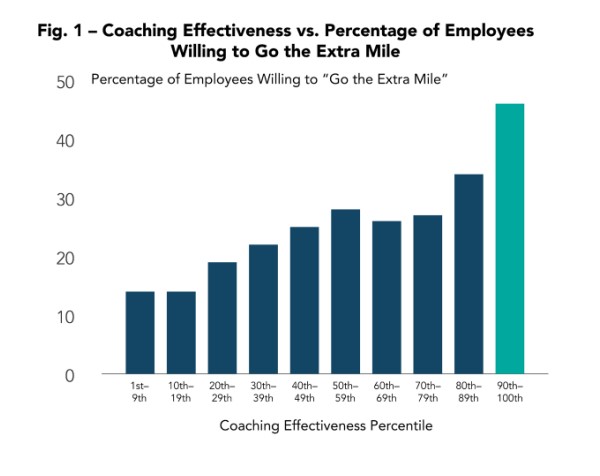
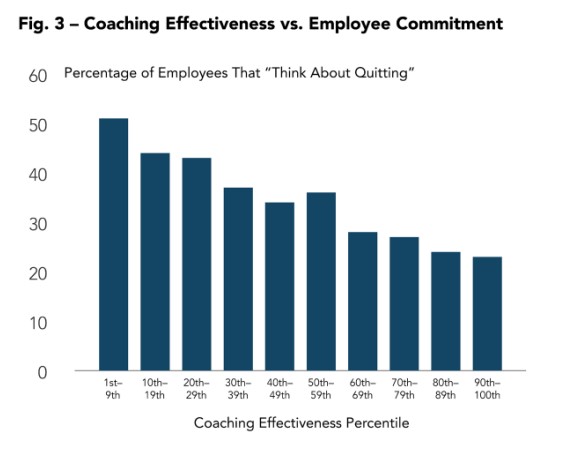
This shift is what turns coaching from an individual development experience into an organisational advantage. Zenger Folkman’s data shows that when roughly one-third of leaders embrace coaching behaviours, culture begins to tip toward a new norm of respect, accountability, and openness.
The Invitation: Building a Coaching Mindset
Next time you feel that familiar surge, that inner trigger, pause and ask yourself:
- What value or need of mine just got activated?
- What constructive trigger can I choose instead?
- How can I respond in a way that builds trust, not tension?
In that pause lies the power to change not just your reaction, but the culture around you.
At Dattner Group, we believe this is where leadership starts, not in perfection or control, but in the daily practice of choosing constructive responses and helping others do the same.
Learn More
Ready to build a coaching culture that strengthens trust and performance?
Explore how Dattner Group’s leadership coaching programs help teams respond with purpose, not impulse.